Introduction
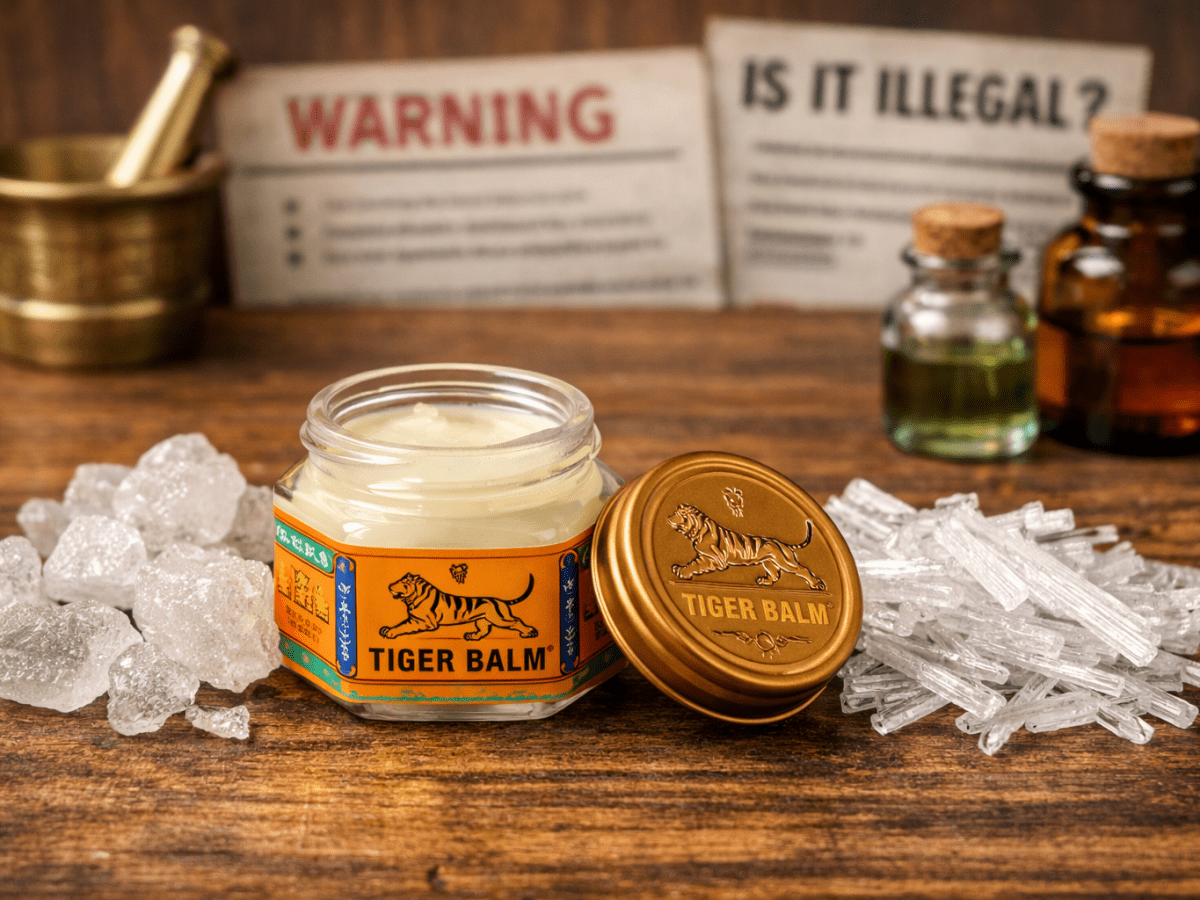
Many people search for “why is Tiger Balm illegal“ after hearing rumors or encountering restrictions when traveling. Tiger Balm is a well-known topical pain relief product that has been used for generations to help soothe muscle aches and minor discomfort. The truth is that Tiger Balm is not generally illegal, but certain ingredients, regulations, and country-specific restrictions can create confusion among consumers.
Is Tiger Balm Illegal?
The short answer is no. Tiger Balm is not illegal in most countries. It is legally sold in many parts of the world as an over-the-counter topical product.
However, some factors contribute to the misconception that Tiger Balm is illegal, including:
- Differences in ingredient regulations.
- Country-specific import restrictions.
- Product labeling requirements.
- Travel regulations.
- Variations in approved formulations.
These regulatory differences often lead people to believe that Tiger Balm has been banned when it has not.
What Is Tiger Balm?
Tiger Balm is a topical ointment commonly used for temporary relief of minor muscle and joint discomfort.
It is typically applied externally and is known for its cooling or warming sensations.
Common uses include:
- Muscle soreness
- Minor aches and pains
- Back discomfort
- Neck stiffness
- Sports-related soreness
- Tension relief
Tiger Balm products are available in various formulations depending on regional regulations.
Why Do People Think Tiger Balm Is Illegal?
Several misconceptions contribute to online searches about its legality.
Ingredient Restrictions
Some countries regulate the amount of certain medicinal ingredients that can be included in over-the-counter products.
These regulations vary significantly across different markets.
Import Regulations
Products purchased abroad may not always comply with another country’s packaging or labeling requirements.
Travel Restrictions
Travelers occasionally face restrictions when carrying healthcare or medicinal products internationally, which can create confusion regarding legality.
Different Product Versions
Tiger Balm formulations may differ depending on the country in which they are manufactured and sold.
Ingredients Found in Tiger Balm
Although formulations vary, Tiger Balm products commonly include ingredients intended for topical application.
Examples may include:
- Menthol
- Camphor
- Essential oils
- Herbal extracts
- Other topical ingredients
These ingredients are regulated differently by health authorities worldwide.
Information Table
| Factor | Tiger Balm Status |
|---|---|
| General Legality | Legal in many countries |
| Prescription Required | Usually No |
| Topical Use | Yes |
| Ingredient Regulations | Country Specific |
| Import Rules | Vary by Country |
| Travel Restrictions | May Apply in Some Cases |
Why Regulations Differ Between Countries
Healthcare regulations are designed to protect consumers and ensure product safety.
Government agencies often establish rules related to:
- Ingredient concentrations
- Product labeling
- Safety instructions
- Import approvals
- Consumer warnings
A product that is perfectly legal in one country may require modifications before being sold in another.
Is Tiger Balm Safe to Use?
When used according to product instructions, Tiger Balm is generally intended for external use only.
Users should:
- Follow label instructions.
- Avoid applying to broken skin.
- Wash hands after application.
- Store products properly.
- Keep them away from children when necessary.
Understanding proper usage contributes to a safer experience.
Common Misunderstandings About Tiger Balm
Many myths surrounding Tiger Balm continue to circulate online.
Some common misconceptions include:
- Tiger Balm has been banned worldwide.
- Tiger Balm is illegal in all countries.
- Travelers cannot carry Tiger Balm internationally.
- All Tiger Balm products contain identical ingredients.
- Topical pain relief products are universally regulated.
In reality, regulations are often more nuanced and depend on local healthcare requirements.
Why Product Regulations Matter
Regulatory standards help ensure that healthcare and topical products meet safety requirements before reaching consumers.
These standards may address:
- Manufacturing practices
- Ingredient disclosure
- Consumer safety information
- Packaging requirements
- Approved claims
Compliance with these regulations helps maintain product quality and consumer confidence.
Tips for Purchasing Tiger Balm
Before purchasing any topical healthcare product, consider the following recommendations.
Check Product Labels
Always review ingredient and usage information carefully.
Purchase Authorized Products
Ensure products are properly packaged and labeled.
Understand Local Regulations
Different countries may have unique requirements for medicinal or healthcare products.
Follow Usage Instructions
Proper application improves safety and effectiveness.
Store Products Correctly
Keep products stored according to manufacturer recommendations.
International Travel Considerations
Travelers often wonder whether they can carry Tiger Balm internationally.
Helpful considerations include:
- Reviewing airline regulations.
- Checking destination country requirements.
- Keeping products in their original packaging.
- Following carry-on liquid restrictions when applicable.
Understanding travel guidelines can help avoid unnecessary complications.
Frequently Asked Questions
1. Why is Tiger Balm illegal?
Tiger Balm is not generally illegal. Confusion often arises because ingredient regulations and import requirements vary between countries.
2. Can I legally buy Tiger Balm?
In many countries, Tiger Balm is legally available as an over-the-counter topical product.
3. Why do different countries have different Tiger Balm products?
Regulatory authorities establish different requirements regarding ingredients, labeling, and product formulations.
4. Can I travel with Tiger Balm?
Travel regulations differ by destination and transportation policies. Keeping products properly packaged is recommended.
5. Is Tiger Balm considered a medicine?
Tiger Balm is commonly classified as a topical healthcare or pain relief product, although classifications may vary by jurisdiction.
Conclusion
If you’ve searched “why is Tiger Balm illegal,” it is important to know that Tiger Balm is generally legal in many parts of the world. The confusion usually stems from country-specific regulations involving ingredients, labeling requirements, and import policies rather than an outright ban. Understanding these differences helps consumers make informed decisions when purchasing, using, or traveling with Tiger Balm products. By following local regulations and product instructions, users can safely enjoy the benefits of this widely recognized topical balm.
