Introduction
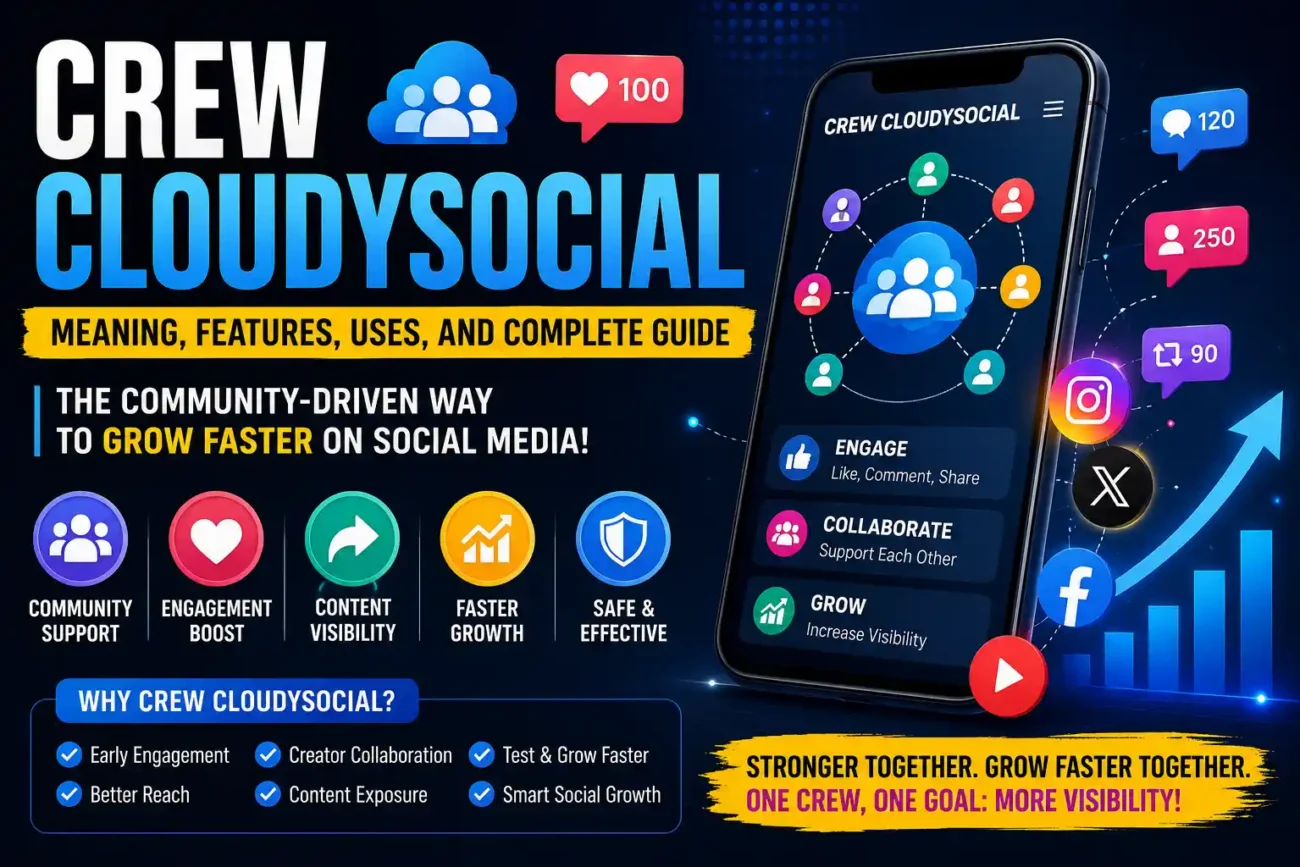
Social media has become an essential part of business growth and brand communication. Managing multiple accounts, campaigns, and team members can be challenging without the right tools. Crew CloudySocial is gaining attention as a term associated with collaborative social media management, helping teams work together efficiently while streamlining content planning, scheduling, and performance tracking.
What Is Crew CloudySocial?
Crew CloudySocial refers to a collaborative approach within the CloudySocial ecosystem, where team members work together to manage social media activities. It focuses on improving communication, increasing productivity, and ensuring that campaigns are executed effectively.
Organizations of all sizes can benefit from team-oriented social media solutions, including:
- Marketing agencies
- Small businesses
- Startups
- Content creators
- E-commerce brands
- Enterprise teams
By centralizing tasks, Crew CloudySocial helps teams remain organized and aligned with their marketing goals.
Why Team Collaboration Matters in Social Media
Managing social media is no longer a one-person task. Businesses often require multiple specialists to handle different responsibilities.
Common Team Roles
- Content writers
- Graphic designers
- Social media managers
- Data analysts
- Community managers
- Marketing strategists
Without collaboration tools, communication gaps can lead to missed deadlines and inconsistent messaging.
Benefits of Collaborative Platforms
- Improved workflow management
- Faster content approvals
- Better campaign coordination
- Increased accountability
- Enhanced productivity
This is why concepts like Crew CloudySocial are becoming increasingly relevant in digital marketing.
Key Features of Crew CloudySocial
Modern collaboration platforms provide several useful capabilities.
Content Scheduling
Teams can plan posts in advance and maintain a consistent publishing schedule.
Features may include:
- Calendar views
- Scheduled publishing
- Draft management
- Campaign timelines
Team Access Management
Different users can receive varying permission levels.
Examples include:
- Administrator access
- Editor privileges
- Viewer permissions
- Content approval rights
Performance Tracking
Monitoring campaign results is essential for continuous improvement.
Typical metrics include:
- Engagement rates
- Audience growth
- Reach and impressions
- Click-through rates
Task Assignment
Assigning responsibilities helps teams stay organized.
For example:
- Writer creates content.
- Designer prepares visuals.
- Manager approves posts.
- Analyst reviews performance.
These processes help ensure smooth operations across departments.
Information Table: Crew CloudySocial Features
| Feature | Purpose | Benefit |
|---|---|---|
| Content Scheduling | Plan posts ahead | Saves time |
| Team Permissions | Manage user access | Improves security |
| Analytics Dashboard | Track campaign results | Better decision-making |
| Task Assignment | Organize responsibilities | Enhances efficiency |
| Collaboration Tools | Improve communication | Supports teamwork |
This table highlights the practical advantages associated with Crew CloudySocial.
Who Can Benefit from Crew CloudySocial?
The flexibility of collaborative tools makes them suitable for various users.
Marketing Agencies
Agencies often manage multiple clients simultaneously. Collaboration tools simplify account management.
Small Businesses
Small teams can coordinate content creation without investing in complex systems.
Influencers and Creators
Content creators working with editors, designers, and assistants benefit from centralized workflows.
Large Organizations
Enterprise teams require scalable solutions to manage extensive marketing campaigns.
Regardless of company size, efficient teamwork remains a critical factor in social media success.
Best Practices for Social Media Collaboration
Using a collaborative platform effectively requires a clear strategy.
Establish Clear Roles
Define responsibilities for each team member.
Examples include:
- Content creation
- Approval processes
- Performance reporting
- Audience engagement
Maintain Consistent Branding
Ensure all posts align with:
- Brand voice
- Visual identity
- Marketing objectives
Review Performance Regularly
Analyzing campaign data helps identify strengths and areas for improvement.
Encourage Communication
Frequent communication reduces misunderstandings and keeps projects moving forward.
These practices maximize the value of solutions like Crew CloudySocial.
Challenges in Social Media Team Management
Despite technological advances, managing teams can still present difficulties.
Communication Delays
Miscommunication often leads to missed deadlines.
Content Approval Bottlenecks
Lengthy approval processes can slow campaign execution.
Inconsistent Messaging
Different team members may unintentionally create conflicting content.
Managing Multiple Platforms
Brands frequently operate across:
- X
- TikTok
Coordinating activities across several platforms requires careful planning and organization.
The Future of Social Media Collaboration
Social media management continues to evolve.
Emerging trends include:
Artificial Intelligence
AI tools can assist with:
- Content suggestions
- Scheduling recommendations
- Performance predictions
Automation
Automation helps reduce repetitive tasks and improve efficiency.
Advanced Analytics
Future platforms may provide deeper insights into audience behavior and campaign performance.
Remote Collaboration
As remote work becomes more common, cloud-based collaboration tools will continue to gain importance.
These developments indicate that team-focused solutions like Crew CloudySocial will remain valuable in the years ahead.
Tips for Building an Effective Social Media Team
Businesses looking to improve collaboration should consider the following:
- Hire individuals with complementary skills.
- Establish clear communication channels.
- Set measurable goals.
- Use collaborative tools consistently.
- Conduct regular performance reviews.
Strong teams combined with effective tools create better marketing outcomes.
Frequently Asked Questions
1. What is Crew CloudySocial?
Crew CloudySocial refers to a collaborative approach to managing social media activities through shared tools, workflows, and team coordination.
2. Who can use Crew CloudySocial?
Marketing agencies, businesses, content creators, and enterprise teams can all benefit from collaborative social media management solutions.
3. What are the primary features of Crew CloudySocial?
Common features include content scheduling, analytics, task assignment, user permissions, and team collaboration tools.
4. Why is social media collaboration important?
Collaboration improves efficiency, ensures consistent branding, and helps teams execute campaigns more effectively.
5. Does Crew CloudySocial support remote teams?
Yes. Cloud-based collaboration systems are particularly useful for remote and distributed teams.
Conclusion
Crew CloudySocial highlights the growing importance of teamwork in social media management. By bringing together scheduling, analytics, communication, and task management, it enables organizations to operate more efficiently in an increasingly competitive digital environment. Whether used by small businesses or large marketing teams, collaborative tools continue to play a vital role in achieving successful social media strategies.
